|

HOME |
ABOUT | INDEX |
NEWS |
FACEBOOK |
CONTACT
HUMANITY
Unity |
Equality | Ethics | Compassion | Kindness | Honesty |
Integrity
Worthy of Love and Belonging
"In this world there isn’t as much humanity as one would
like, but there’s enough."
-James Baldwin
"The world changes in direct proportion to the number of
people willing to be honest about their lives."
-Armistead Maupin
“You are the ultimate power and you have never been so
visible in the world! And that beautiful light and that
rainbow is shining all around you. Stand in it. Bask in
it. Allow yourself to glow in it as we grow. Take that
spotlight, it belongs to you.”
-Lady Gaga
"To be nobody but yourself in a world that's doing its
best to make you something else, is to fight the hardest
battle you are ever going to fight. Don't stop
fighting."
-E.E.
Cummings
“We deserve to experience love fully, equally, without
shame, and without compromise.”
-Elliot Page
“You are
imperfect, you are wired for struggle, but you are
worthy of love and belonging.”
-Brené
Brown
We the People
Bill Bennett: Upside Down World
Your Life Does Not Suck
Hate is a Public Health Emergency and the Epidemic We
Keep Ignoring
Astronaut Christina Koch: We Are a Crew
Pete Buttigieg: Reassurance
Everyday People
On the Right
Side of History
Jon Ossoff: Vision for America
Current Situation is Scary
Horrible People Have Always Been Here
Everything Is Going
to Be All Right
Now I Tiptoe Just in Case
Your Life Does Not Suck
Let's Agree to Disagree?
Our Shared
Humanity
Finding Common Ground in a Divided World
In a world marked by diversity—of cultures, beliefs,
languages, and lifestyles—it is easy to focus on what
sets us apart. Headlines often highlight conflict and
division, feeding the illusion that we are
irreconcilably different. But beneath these surface
distinctions lies a truth that is both simple and
profound: we are more alike than we are different. Our
shared humanity, the common threads that bind us all,
has the power to transcend borders, bridge gaps, and
heal divides.
The Common Threads of Human Experience
At the core of every person is a desire for meaning,
connection, safety, and love. Whether we are born in a
bustling city or a quiet village, whether we speak
English, Arabic, Swahili, or Mandarin, we all experience
joy, sorrow, fear, and hope. We all begin life in
vulnerability and rely on others to nurture and protect
us. As we grow, we seek companionship, understanding,
and a sense of purpose. We celebrate milestones, mourn
losses, and dream of a future where life is a little
better—not just for ourselves, but for those we care
about.
This shared emotional landscape is not bound by
geography or culture. A parent in Tokyo worries about
their child’s future just as a parent in Nairobi or São
Paulo does. A young person in Toronto may struggle with
self-doubt in the same way a young person in Baghdad
does. These emotions, needs, and aspirations are
universal.

Everyday People
President Obama: Warning Against Cynicism and Division
Heather Cox Richardson: Patriotism
Feeling Human
James Talarico: Love of Neighbor
I Hope You Make It
Seeking Understanding: Rejecting MAGA
Steve Hofstetter: Left vs Right
Enjoying Life
America Has Already Lost the War in Iran
Everyday People
Drive-By Compliments: You Look Great!
Consequences of War
What's So Funny About Peace, Love, and Understanding -
Nick Lowe
Immigrants and Mountainish Inhumanity:
Ian McKellen Reciting Shakespeare
What Truly Matters
In the end, what matters most in life isn’t wealth,
fame, or power. What endures are the relationships we
build, the kindness we show, and the difference we make
in each other’s lives. When people look back at their
lives, they rarely cherish the material possessions they
acquired. They remember the people who stood by them in
difficult times, the moments of laughter shared with
loved ones, and the acts of compassion that reminded
them they weren’t alone.
Purpose and fulfillment often come not from what we
accumulate, but from what we give. Listening deeply,
helping someone in need, creating something beautiful,
or simply being present—these are the moments that give
life richness and meaning.
We the People
Seeking Understanding: Rejecting MAGA
Your Life Does Not Suck
Mariann Edgar Budde: Fundamental Call of Our Humanity
Bill Bennett: Upside Down World
King Charles: UK and US Shared Principles
Kids Meet a Former Member of the Westboro Baptist Church
No Just Wars
Christopher Macken: Hey MAGA! Where's
Your Line?
Lady Gaga: Beautiful Day in the
Neighborhood
Holding Hands
Worth the Struggle
Bruce Springsteen: Streets Of Minneapolis
Canada Prime Minister Mark Carney’s
Speech
A Real Winner
Consequences of War
Encourage Others
Show Me What Democracy Looks Like
When Conservatives Watch Real News
How We Can Get Along
If we are to thrive as a global community, we must learn
to see the humanity in one another. This begins with
empathy—the ability to understand and share the feelings
of another. Empathy softens judgment and builds bridges
of compassion. It allows us to look at a refugee not as
a threat, but as a person seeking safety. It helps us
see that someone who disagrees with us politically may
still love their children, care about their community,
and want the best for the world.
Getting along does not require uniformity of thought or
belief. It requires respect, open-mindedness, and a
willingness to listen. It requires us to replace fear
with curiosity, to ask questions rather than assume
answers, and to focus on what unites us rather than what
divides us.
Education, storytelling, and cultural exchange can all
play vital roles in this process. The more we learn
about one another, the more we realize how much we
share. Literature, music, film, and art allow us to step
into others’ shoes and see the world through different
eyes. These are not just tools of entertainment, but of
understanding and connection.
I Have a
Voice
James Talarico: Love of Neighbor
President Obama: Warning Against Cynicism and Division
Feeling Human
Modern Love by Matt Nathanson
Can Democracy Survive?
Enjoying Life
Hate is a Public Health Emergency and the Epidemic We
Keep Ignoring
Building Bridges
Astronaut Christina Koch: We Are a Crew
The Baby He Saved
Kids Talk About Differences
James Talarico: Why I Am a Democrat
The Rage Economy: Hate Sells
A Real Winner
Christopher Macken: What Would You Do?
Sen Elissa Slotkin: Don't Tune Out
This is What Respect Looks Like
Drive-By Compliments: You Look Great!
Happy People Dancing
Around the World
Is America a Christian Nation?
James Talarico: Love is Not Weak
Lady Gaga: Won’t You Be My Neighbor (Studio)
"Injustice anywhere is a threat to justice everywhere."
-Martin Luther King Jr.
"Remember: There is nothing natural or inevitable about
extreme inequality; it’s the result of an economic
system that values wealth and power over human dignity
and justice. It doesn't have to be this way.
Collectively, we have the power to change it."
-Robert Reich
"Extremism in the defense of liberty is no vice. And
moderation in the pursuit of justice is no virtue."
-Barry Goldwater
"There may be times when we are powerless to prevent
injustice, but there must never be a time when we fail
to seek justice."
-Jack E.Smith
"Justice is truth in action."
-Benjamin Disraeli

Enjoying Life
Bill Bennett: Upside Down World
Seeking Understanding: Rejecting MAGA
Your Life Does Not Suck
Astronaut Christina Koch: We Are a Crew
Halle Berry: Your Worth and Value
Facts vs Fantasy
Mariann Edgar Budde: Fundamental Call of Our Humanity
Can Democracy Survive?
I Am a Work of Art
George Clooney: Defending Freedom
Proud to Be a Liberal
What's So Funny About Peace, Love, and Understanding -
Lucy Laplanski
Everyday People
Jon Ossoff: Vision for America
Pete Buttigieg: Reassurance
Kids Meet a Former Member of the Westboro Baptist Church
New Pledge of Allegiance
White House Correspondence Association Dinner
Have You Heard the News Today
Moving Forward Together
The challenges we face—climate change, inequality,
conflict, and disease—are global in nature. They remind
us that we are all part of a single, interconnected
world. No nation or individual can solve these problems
alone. Collaboration, rooted in mutual respect and
shared goals, is our best path forward.
To build a better world, we must act with both heart and
mind. We must see the stranger not as “other,” but as
another version of ourselves. We must recognize that
every act of kindness, however small, contributes to a
more compassionate and inclusive world.
In the quiet spaces of our daily lives—in the way we
greet a neighbor, support a colleague, or speak to a
child—we have the power to reflect our shared humanity.
And in doing so, we plant the seeds of peace,
understanding, and hope.
Let us remember: we all bleed the same, laugh the same,
cry the same. We are more than our differences. We are
one human family.
No Just Wars
I Hope You Make It
Building Bridges
Hate is a Public Health Emergency and the Epidemic We
Keep Ignoring
Bill Bennett: Upside Down World
Consequences of War
Ken Robinson: Small Act of Encouragement
Everyday People
Scene From A Man Called Otto
When Conservatives Watch Real News
George W Bush on Immigration
What it Means to Love Your Country
Get Up! Stand Up!
George Clooney: Defending Freedom
The Baby He Saved
Show Me What Democracy Looks Like
Jon Ossoff: Vision for America
Pete Buttigieg: Reassurance
Your Welfare Ain't on the Rich Man's Mind
America Has Already
Lost the War
We
have lost the war to prevent citizens from abandoning
human empathy and discarding critical thinking...
"For
nearly 250 years, America promoted freedom and equality
abroad, even when it failed to live up to those ideals
itself. Not anymore."
-Anne Applebaum, the Atlantic, The Beacon of Democracy
Goes Dark
“Western culture has evolved to the point where millions
of us—and not just Republicans and Trump supporters—have
been left unable to make basic moral judgments.
How is it that half of America looks at Donald Trump and
doesn’t find him morally repellent? He lies, cheats,
steals, betrays, and behaves cruelly and corruptly, and
more than 70 million Americans find him, at the very
least, morally acceptable. Some even see him as heroic,
admirable, and wonderful. What has brought us to this
state of moral numbness?”
-David Brooks, The Atlantic

We the People
Everyday People
Bruce Springsteen: Streets Of Minneapolis
Show Me What Democracy
Looks Like
Your Life Does Not Suck
Halle Berry: Your Worth and Value
Drive-By Compliments: You Look Great!
George Clooney: Defending Freedom
Lady Gaga: Won’t You Be My Neighbor (Studio)
I'm Tired of...
Danielle Kramer: Stochastic Terrorism
Bill Maher: Who Are These Crazed Shooters?
Info: Defining Community
Everybody Wants to Be Loved by Ingrid Michaelson
I Am a Work of Art
Honoring Difference: You Are a Masterpiece
Encourage Others
President Obama: Warning Against Cynicism and Division
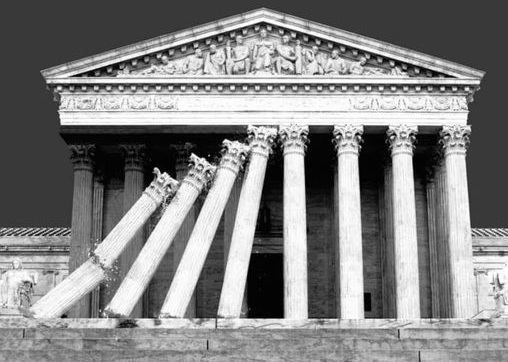
As I watched scores of panic-stricken fathers in Iran,
bloodying their hands, desperately tearing through the
hulking rubble entombing their children, I grieved
deeply.
I mourned over their valiant but futile efforts to
extricate life from beneath the crushing carnage
surrounding them. I mourned the senseless destruction of
dozens of radiant young lives eradicated in the span of
a heartbeat by a nameless, faceless terror from the sky.
I mourned for a beautiful people whose unprovoked trauma
and undeserved suffering mean nothing to a substantial
portion of my country, who simply do not care for
brown-skinned, foreign human beings. And I mourned the
fact that no matter what happens in the coming hours and
days, America has already lost the real wars, long
before this moment.

Jon Ossoff: Vision for America
Jay Shetty: Trust in a Relationship
Halle Berry: Your Worth and Value
George Clooney: Defending Freedom
Building Bridges
The Baby He Saved
Greg Harden: How To Stay Sane in an Insane World
Info: Celebrating Diversity
Lady Gaga: Won’t You Be My Neighbor (Studio)
Elon Musk: Genius Without Integrity
Pink: Message to the President
Ken Robinson: Small Act of Encouragement
Info: Wellness and Resilience
Greg Harden: 60 Minutes Interview
Why Do We Hate?
We have lost the war to prevent tens of millions of our
parents, siblings, lifelong friends, and neighbors from
abandoning human empathy, discarding critical thinking,
and falling into a thick, inpenetrable cultic stupor
from which facts, data, or the obliterated bodies of
Iranian schoolchildren cannot retrieve them.
We have lost the war to prevent people we love and once
respected from becoming morally-addled by a whitewashed
myth of national exceptionalism that has rendered them
with little value for those beyond the tightly-closed,
fiercely-guarded borders of their calloused hearts.
We have lost the war to ensure that we did not place our
nation’s fate into the bruised and jittery hands of a
classless, bottom-feeding, race-baiting, empty husk of a
human being, whose eight decades on this planet have not
yielded one noble impulse or benevolent act.
We have lost the war to collectively choose wisely
between an intelligent, experienced woman of color and a
narcissistic, convicted felon and court-adjudicated
white male rapist, and now find ourselves teetering
precariously on the edge of authoritarianism.
Worth the Struggle
Get Up! Stand Up!
Bruce Springsteen: Streets Of Minneapolis
Canada Prime Minister Mark Carney’s
Speech
Global Dance Lessons
Lady Gaga: Beautiful Day in the
Neighborhood
James Talarico: Why I Am a Democrat
Kids Meet a Former Member of the Westboro Baptist Church
King Charles: UK and US Shared Principles
Show Me What Democracy Looks Like
Consequences of War
America Has Already Lost the War in Iran
Encourage Others
Immigrants and Mountainish Inhumanity:
Ian McKellen Reciting Shakespeare
Horrible People Have Always Been Here
The Rage Economy: Hate Sells
Christopher Macken: Hey MAGA! Where's
Your Line?
Current Situation is Scary
What's So Funny About Peace, Love, and Understanding -
Post Modern Jukebox
We have lost the war to keep the people we live and
work, study and worship alongside from being swallowed
up by a blind tribal allegiance to party and country
that runs solely on stoked fears and curated prejudices.
We have lost the war to live in a nation that believes
human beings thousands of miles away are as sacred and
as worthy of defense as those within arm’s reach.
We have lost the war to keep from normalizing the
prolific atrocities of an untethered madman and his
cadre of emboldened bigots, whose inhumanity is
unabated.
We have lost the war to create a nation where mass
murders, protected pedophiles, and masked mercenaries
are alarming and not commonplace.
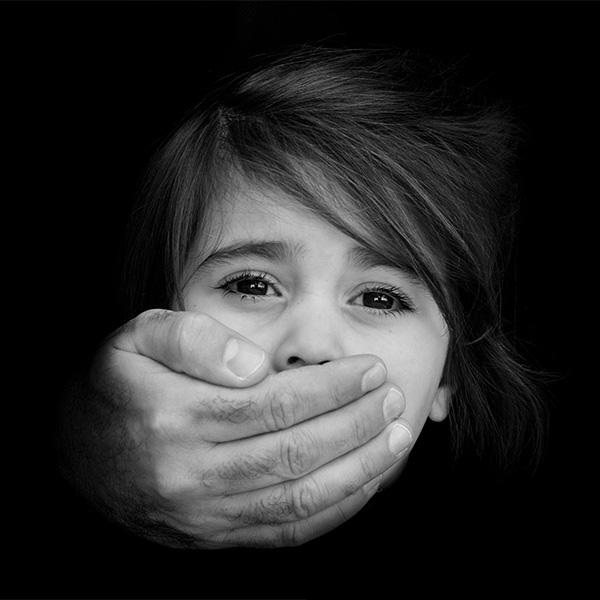
We have lost the war to live in a nation where all
people recognize when a sitting president launches a
brutal act of lawless military aggression simply to
avoid legal accountability for his sexual crimes against
girls and women, and the political reckoning of a free
and fair election.

Oh America
Everyday People
Astronaut Christina Koch: We Are a Crew
Jon Ossoff: Vision for America
Your Life Does Not Suck
President Obama: Warning Against Cynicism and Division
The People will Be Free
Proud to Be a Liberal
Lady Gaga: Won’t You Be My Neighbor (Studio)
Sen Elissa Slotkin: Don't Tune Out
A Real Winner
Christopher Macken: What Would You Do?
Danielle Kramer: Stochastic Terrorism
Global Dance Lessons
When Conservatives Watch Real News
Canada Prime Minister Mark Carney’s
Speech
Why Do We Hate?
Info: Defining Community
White House Correspondence Association Dinner
Christopher Macken: Hey MAGA! Where's
Your Line?
On the Right Side of History
Get Up! Stand Up!
The unconstitutional, illegal, unethical, and immoral
bombing of the Iranian people is not a war; it is the
latest deadly symptom of a diseased Republic whose
leaders feel no obligation to the Laws of our nation or
to the higher laws governing decent human beings.
It is yet another manifestation of the collective heart
sickness afflicting tens of millions of people who call
this place home, a moral cancer that chokes out
compassion and metastasizes cruelty.
Our bleeding, barely breathing
two-hundred-and-fifty-year experiment in democracy is
now lying beneath the crushing rubble of billions of
tiny compromises, turned heads, shared sins, allowed
injustices, and avoided confrontations.
I wonder if we can still win the war to emancipate it.
[Source: John Pavlovitz, February 2026]
We the People
Show Me What Democracy Looks Like
Sen Elissa Slotkin: Don't Tune Out
Info: Wellness and Resilience
Dignity and Grace
Drive-By Compliments: You Look Great!
Jay Shetty: Trust in a Relationship
The Rage Economy: Hate Sells
James Talarico: Love is Not Weak
Christopher Macken: What Would You Do?
What it Means to Love Your Country
This is What Respect Looks Like
Barack Obama: Reflections
Joseph Welch Stands Up to Joe McCarthy
America's Strength: Diversity
George W Bush on Immigration
Danielle Kramer: Stochastic Terrorism
The Rage Economy: Hate Sells
John Stweart on Daily Show: One Too Many
Info: Diversity, Equality, Inclusion

Remaining Sane
in an Insane World
Coping tips amid the crashing waves of societal chaos...
To remain
sane in an insane world, anchor yourself by focusing
exclusively on what you can control—your actions,
responses, and values—while accepting that you cannot
control external chaos. Reduce anxiety by limiting
news/social media consumption, cultivating deep,
supportive relationships, practicing mindfulness, and
finding joy in purposeful, creative activities.
Focus on the Controllables: Recognize that you cannot
change the world or other people, so focus on your own
thoughts, actions, and character.
Curate
Information Intake: Turn off the relentless stream of
news and social media to prevent panic and rage, opting
for, instead, timeless, quiet, and meaningful content.
Cultivate
Daily Resilience: Prioritize self-care, including
adequate sleep, exercise, and nutritious food to build
mental stamina.
Build a Supportive Community: Connect with friends and
family who share your values to avoid the isolation that
makes one vulnerable to hopelessness.
Embrace
Mindful Action: Find meaning in small tasks, hobbies, or
helping others, allowing you to create value regardless
of external circumstances.
Ultimately, staying sane is about becoming a "rock" that
remains unmoving amid the crashing waves of societal
chaos.
Jordan Peterson: How to Stay Sane in an Insane World
James Talarico: Love of Neighbor
Bill Bennett: Upside Down World
Building Bridges
President Obama: Warning Against Cynicism and Division
Sara Bareilles and Carole King:
Beautiful/Brave Mashup
The Baby He Saved
Info: Encouragement and Support
Your Welfare Ain't on the Rich Man's Mind
Are We Losing Our Shared Humanity?
Dignity and Grace
Teach Me Your Favorite Dance Move 1
Rev Dr Howard-John Wesley: Which Christianity?
Love Thy Neighbor
Bernie Sanders: Support Free Speech and Condemn Violence
Why Do We Hate?

Stark Contrast:
Eleanor Roosevelt vs Donald Trump
In the
end, we are one world... And that which injures
any one of us, injures all of us...
Eleanor
Roosevelt wrote these powerful words in December 1945 as
she sailed to London to represent the United States at
the first United Nations meeting: "In the end, we are
one world and that which injures any one of us, injures
all of us." Her vision of interconnected humanity, where
national pride coexists with global responsibility,
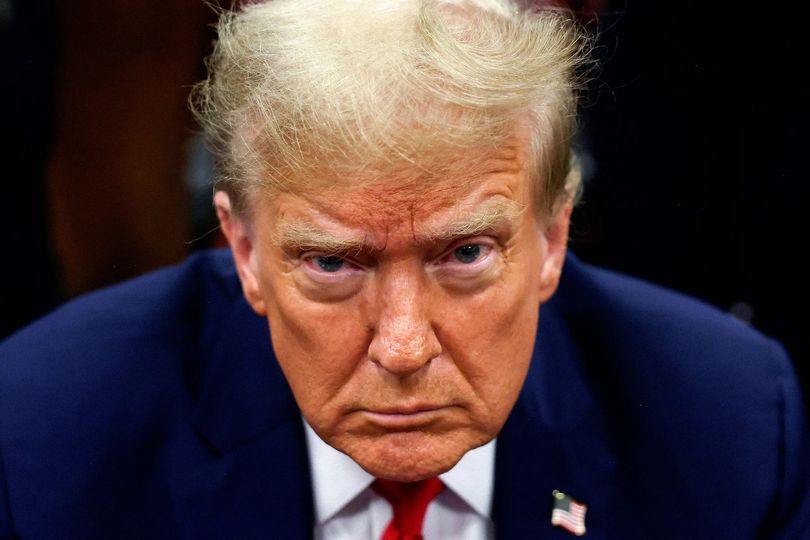
stands in stark contrast to the message delivered in
Sept 2025 at the 80th session of the United Nations
General Assembly by Donald Trump, who told assembled
world leaders: "I'm really good at this stuff: Your
countries are going to hell."
Roosevelt believed deeply that "Our own land and our own
flag cannot be replaced by any other land or any other
flag. But you can join with other nations, under a joint
flag, to accomplish something good for the world that
you cannot accomplish alone." She understood that
patriotism and internationalism were not opposing forces
but complementary strengths, and that human rights
violations anywhere threatened peace everywhere.
In contrast, Trump's speech was dominated by attacks on
allies and international cooperation itself. He has
withdrawn the United States from multiple UN bodies,
including the Human Rights Council, and today spent part
of his speech complaining about not receiving a UN
renovation contract years ago, snidely remarking that
"These are the two things I got from the United Nations:
a bad escalator and a bad teleprompter." He boasted
about America being "the hottest country anywhere in the
world, and there is no other country even close."

Video: Trump Addresses
United Nations
CNN: Trump Takes Shots at UN, Climate Change, and Immigration Policies in Speech
PBS: Key Moments From Trump’s UN Speech
CBS: Trump Criticizes European Allies in UN Speech: Your Countries are Going to
Hell
Meanwhile, Eleanor Roosevelt spent her many years at the
UN working tirelessly to build bridges, chairing over
3,000 hours of contentious deliberation to create the
Universal Declaration of Human Rights. She believed, as
she said at the Sorbonne, that "the struggle for
democracy and freedom is a critical struggle, for their
preservation is essential to the great objective of the
United Nations to maintain international peace and
security."
Trump's speech represents not just a different approach,
but a fundamental rejection of the post-World War II
order that Roosevelt helped build -- one based on the
belief that we are indeed "One World" and that
international cooperation, however imperfect, remains
humanity's best hope for lasting peace. Where Roosevelt
offered the world America's outstretched hand, Trump
offered only a clenched fist and a mirror -- it was a
graceless airing of petty grievances and bullying that
sought to elevate himself by belittling others,
embarrassing the very nation he claims to make great.
Roosevelt warned us that "It isn't enough to talk about
peace. One must believe in it. And it isn't enough to
believe in it. One must work at it." Today, we witnessed
what happens when that belief is abandoned and that work
is undone.
With such shameless displays of narcissism and
vindictiveness coming from the nation's highest office,
it's more important than ever for parents and educators
to embrace Eleanor Roosevelt's wisdom that human rights
begin "in small places, close to home" -- in our
neighborhoods, schools, and communities. "Such are the
places where every man, woman, and child seeks equal
justice, equal opportunity, equal dignity without
discrimination. Unless these rights have meaning there,
they have little meaning anywhere."
When our leaders fail to model dignity, compassion, and
respect for others, the responsibility falls to us to
teach our children that true strength lies not in
belittling others, but in lifting them up; that real
patriotism means working to make our nation worthy of
respect, not demanding it while offering none in return.
The work of building "One World" must continue, even if
it must now begin in our classrooms and around our
kitchen tables.
[Source: Facing History & Ourselves, Sept 2025]
I Have a
Voice
Get Up! Stand Up!
James Talarico: Why I Am a Democrat
Current Situation is Scary
Bill Bennett: Upside Down World
Joseph Welch Stands Up to Joe McCarthy
Encourage Others
Happy People Dancing Around the World
2012
Your Life Sucks?
The War on Empathy is Dystopian and Delusional
What Radicalized You?
Trevor Noah: Comedy Diffuses Tension
Have You Heard the News Today
True Colors by Cyndi Lauper
Peace Train: Playing for Change
What's So Funny About Peace Love and Understanding -
Bruce S, Chicks, Dave M, Bonnie R, John F
Honoring Difference: You Are a Masterpiece
Uncle Sam: Message to Trump & Hegseth
A Real Winner
New Pledge of Allegiance
Being Honest in
a Dishonest World
Is
dishonesty the new normal?
Are
getting indifferent and desensitized to the existence of
lying in our society? After all, honesty has seen its
market value tumble over the years with countless
reports of plagiarism, factual carelessness, and blatant
fabrication. But as troubling as such prevarication may
be from the media, it’s far more disheartening when it
becomes the norm among our political leaders.
The sad truth is that we expect our politicians to lie.
But the brazenness with which they conjure up easily
verifiable falsehoods grows ever more astonishing.
Once integrity disappears, the only motive not to lie is
fear of not getting away with it — and in a society that
has grown indifferent to lying, there are rarely
consequences for even the most brazen lies. And that has
consequences for all of us. But there is something
we can do. Here are ways we can prevent the erosion of
our own integrity:
Honesty: What Makes an Honest Person?
Trevor Noah: Comedy Diffuses Tension
James Talarico: Love of Neighbor
It Takes a Lot of Courage to Be Your True Self
I Want to See You Be Brave
Lady Gaga: Beautiful Day in the
Neighborhood
John Stweart on Daily Show: One Too Many
John Cena: Love and Patriotism
I Have a
Voice
America's Strength: Diversity
President Obama: Warning Against Cynicism and Division
Steve Hofstetter: Left vs Right
Horrible People Have Always Been Here
This is What Respect Looks Like
A Real Winner
Show Me What Democracy Looks Like
Immigrants and Mountainish Inhumanity:
Ian McKellen Reciting Shakespeare
White House Correspondence Association Dinner
What it Means to Love Your Country
Don’t exaggerate - “I could have died” ... “I’ve
said it a million times” ... “You never listen when I
talk to you." These may seem harmless, but every
exaggeration makes us a little less sensitive to honesty
and authenticity. Disciplining ourselves to speak
accurately reinforces respect for the truth, both in
ourselves and in those who hear us.
Don’t embellish - How many popular motion
pictures “based on” or “inspired by” true stories are
guilty of wild embellishments that distort fact into
Hollywood fiction? How often do we ourselves add details
to make a good story “better?” But consider what it says
about us — and what it teaches our children — when the
truth isn’t good enough.
Don’t look for loopholes - When we use truth as a
means of deception, it becomes an even more perverse
form of falsehood. Like the employee in Isaac Asimov’s
short story “Truth to Tell,” who swore that he did not
steal either “the cash or the bonds” when in fact he had
stolen the cash and the bonds. And will we ever forget
the presidential defense of perjury that rested on “what
the definition of is is”? The letter of the law becomes
irrelevant when we no longer respect the spirit of the
law.
Know your facts - If you don’t know — or can’t
remember — the details of a story, don’t make them up.
Again, it might seem irrelevant; it might even be
irrelevant. But a commitment to Truth is never
irrelevant. If a story isn’t worth telling without
details you don’t have, don’t bother telling it at all.
Presenting uncertainty as fact only adds fuel to the
spreading wildfire of moral confusion.
Be a skeptic - Have you heard some interesting
news? What’s the source? A forwarded email? Conservative
talk radio? MSNBC? Fox News? NPR? Most outlets have some
bias or agenda. And some are outright fraudulent. Before
repeating a story, do your homework and make sure it’s
credible. Over time, it’s possible to determine which
publications and which reporters can be trusted.
And always keep in mind that there are two sides to
almost every story.
No Just Wars
Bill Bennett: Upside Down World
John Cena: Love and Patriotism
Info: Celebrating Diversity
Ken Robinson: Small Act of Encouragement
True Colors by Cyndi Lauper
Honoring Difference: You Are a Masterpiece
Uncle Sam: Message to Trump & Hegseth
Info: Celebrating Diversity
New Pledge of Allegiance
TED Talk: Mattering
Jay Shetty: Trust in a Relationship
Sara Bareilles & Carole King:
Beautiful/Brave Mashup
Lean on Me: Playing for
Change
Danielle Kramer: Stochastic Terrorism
Dignity and Grace
Love Sweet Love
Are We Losing Our Shared Humanity?
George W Bush on Immigration
Teach Me to Dance
New Pledge of Allegiance
Admit ignorance - It’s okay not to know
something. But to claim knowledge when you know you
don’t know is irresponsible — and usually comes back to
bite you. There’s no shame in admitting a lack of
knowledge, especially when followed up with a sincere
promise to do some research and fill in the gaps.
Admit guilt - We all make mistakes. Acknowledging
error promptly and attempting to correct damage swiftly
is one of the surest signs of integrity. How many
personal and political crises blossomed out of momentary
lapses that grew into scandalous cover-ups? When we
admit guilt, we teach character and responsibility. We
also help our own cause: by acknowledging guilt when we
are guilty, we earn others’ trust when we declare our
innocence.
Avoid liars - Behavior is contagious. The more we
associate with people who don’t care about the truth,
the more likely we are to stop caring about it
ourselves. Do not give in to their toxic gaslighting.
Look for the good - Honesty doesn’t require us to
say everything we know or anything we think. Sometimes,
honesty is definitely the wrong policy, as in the case
of malicious gossip or hurtful, personal remarks.
However, with a little creativity, we can avoid
conflicts between truth and etiquette. If we exercise
bit more caution with our own words, we might be less
suspicious about those stories of little miracles and
inspirational irony that make our eyes sparkle and our
hearts swell.
And if a more profound commitment to honesty helps us
become less cynical and more easily inspired, think how
much good that will do for ourselves and the people who
share our lives.
[Source: Yonason Goldson, BizCatalyst 360]
Truths About Empowering People
Bruce Springsteen: Streets Of Minneapolis
James Talarico: Why I Am
a Democrat
Robert Arnold: The Silence of Generals
Encourage Others
Scene From A Man Called Otto
All Around the World by John Batiste, Keb Mo, Taj Mahal
America's Strength: Diversity
Honesty: What Makes an Honest Person?
Meryl Streep: Critique of Trump
Elon Musk: Genius Without Integrity
This is What Respect Looks Like
Are We Losing Our Shared Humanity?
People With True Integrity Use These Phrases
The War on Empathy is Dystopian and Delusional
America: Not the Greatest Country in the World
Dear Evan Hanson: You Will Be
Found
Bernie Sanders: Support Free Speech and Condemn Violence
The People will Be Free
Truly Brave: Sara Bareilles and Cyndi Lauper
Global Dancing: Favorite Dance Moves
Kissing Around the World

Lessons in
Leadership
From
Ted Lasso
“Every day
is a chance to be better than we were the day before.”
-Ted Lasso
“There are two buttons I never like hitting, and that’s
panic and snooze.”
-Ted Lasso
“For me, success is not about the wins and losses. It’s
about making others better people, first and foremost.”
-Ted Lasso
“I think that you might be so sure a person is one
thing, that sometimes you completely miss who they
really are.”
-Ted Lasso
“Do you know what the opposite of love is? The opposite
of love is indifference.”
-Ted Lasso

Here are Ted Lasso's leadership principles...
--Be
sincere
--Stay teachable
--See good in others
--Happiness is a choice
--Winning is an attitude
--Have confidence in yourself
--Optimists take more chances
--Everyone differs from everyone else
--Courage is the willingness to attempt
--Vulnerability is a strength, not a weakness
--Doing the right thing is never the wrong thing
--Be curious, not judgmental
--Don't allow one bad deed define who you are
I Hope You Make It
Encourage Others
This is Real Leadership
Jay Shetty: Trust in a Relationship
The Baby He Saved
I
Think You’re Beautiful: Social Experiment
Dance Diversity: Favorite Dance Moves
Holding Hands
People With True Integrity
Peace Train: Playing for Change
Dignity and Grace
Bill Maher: Who Are These Crazed Shooters?
Are We Losing Our Shared Humanity?
Global Dance Lessons
Info: Diversity, Equality, Inclusion
Christopher Macken: What Would You Do?
Lady Gaga: Won’t You Be My Neighbor (Studio)
Danielle Kramer: Stochastic Terrorism
Modern Love by Matt Nathanson
The People will Be Free
Lean on Me: Playing for
Change
Love Sweet Love
I Am Divine
Leadership
Philosophy
Meditations From Marcus Aurelius
Marcus Aurelius's leadership philosophy, as gleaned from
his "Meditations," emphasizes self-control,
understanding human nature, and acting with justice and
compassion. Here are the key principles:
--Understand that people exist to help one another.
Marcus believed in the interconnectedness of humanity
and the importance of acting for the common good.
--Be mindful of others' humanity. Recognize that
everyone is striving and making mistakes, and approach
interactions with empathy and understanding.
--Realize that many mistakes are the result of
ignorance. Avoid quick judgments and try to understand
the motivations behind others' actions.
--Do not overly exalt yourself. Maintain humility and
avoid arrogance, as true leadership lies in service, not
dominance.
--Avoid quick judgments of others' actions. Instead,
seek to understand the situation and the person's
perspective before drawing conclusions.
--Recognize that others can hurt you only if you let
them. Focus on your own actions and reactions, and don't
allow external negativity to define you.
--Know that pessimism can easily overtake you. Be
mindful of negative thoughts and emotions and work to
maintain a positive outlook, even in the face of
adversity.
--Practice kindness. Sincere kindness is a powerful tool
for building relationships and resolving conflict.
--Do not expect bad people to exempt you from their
destructive ways. Be prepared for challenges and don't
allow the actions of others to derail your path.
--Lead by example. Aurelius emphasized the importance of
demonstrating the qualities of a good leader through
actions rather than just words.

No Just Wars
On the Right Side of History
Barack Obama: Reflections
Oh America
Bill Bennett: Upside Down World
Encourage Others
This is Real Leadership
America's Strength: Diversity
President Obama: Warning Against Cynicism and Division
James Talarico: Love of Neighbor
Facts vs Fantasy
Drive-By Compliments: You Look Great!
Get Up! Stand Up!
Horrible People Have Always Been Here
Immigrants and Mountainish Inhumanity:
Ian McKellen Reciting Shakespeare
Lady Gaga: Beautiful Day in the
Neighborhood
Truths About Empowering People
On the Right
Side of History
Worth the Struggle
Current Situation is Scary
Fundamental
Connections and Universal Experiences
Focus on community, commonalty, and compassion...
“We are made for goodness. We are made for love. We are
made for friendliness. We are made for togetherness. We
are made for all of the beautiful things that you and I
know. We are made to tell the world that there are no
outsiders. All are welcome: black, white, red, yellow,
rich, poor, educated, not educated, male, female, gay,
straight, all, all, all. We all belong to this family,
this human family, God’s family.”
-Desmond Tutu

Get Up! Stand Up!
We the People
John Cena: Love and Patriotism
Info: Celebrating Diversity
Honesty: What Makes an Honest Person?
Meryl Streep: Critique of Trump
Christopher Macken: What Would You Do?
Have You Heard the News Today
Trevor Noah: Comedy Diffuses Tension
One Love:
Playing for Change
Meryl Streep: Critique of Trump
What it Means to Love Your Country
Your
Welfare Ain't on the Rich Man's Mind
Elon Musk: Genius Without Integrity
I Want to See You Be Brave
TED Talk: Mattering
New Pledge of Allegiance
America's Strength: Diversity
Bruce Springsteen: Streets Of Minneapolis
Proud to Be a Liberal
Honoring Difference: You Are a Masterpiece
George W Bush on Immigration
A Real Winner
"Our
shared humanity" refers to the fundamental connections,
universal experiences, values, and basic needs that
unite all people, transcending individual differences
and cultural backgrounds. Recognizing our shared
humanity fosters compassion, empathy, and understanding,
encouraging collective responsibility for building
resilient and equitable communities by acknowledging our
common struggles and aspirations, like the innate desire
for connection, love, and belonging.
Universal
Experiences: All humans experience core life events,
including loss, stress, fear, joy, and the search for
meaning and connection.
Common
Needs: Everyone has fundamental needs for love,
belonging, safety, respect, and purpose, regardless of
their background.
Genetic Similarity: Scientifically, humans are
remarkably alike, with approximately 99.9% of their DNA
being the same, highlighting our deep biological
connection despite visible differences.
Emotional
and Psychological Similarities: People share similar
hopes, dreams, and feelings, which form the basis for
empathy and connection.
Encourage Others
Happy People Dancing
Around the World
Is America a Christian Nation?
Info: Diversity, Equality, Inclusion
I'm Tired of...
James Talarico: Love of Neighbor
Worth the Struggle
People With True Integrity Use These Phrases
Truths About Empowering People
The War on Empathy is Dystopian and Delusional
Info: Celebrating Love
White House Correspondence Association Dinner
Warning From Gov JB Pritzker
Your Life Sucks?
Elon Musk: Genius Without Integrity
Are We Losing Our Shared Humanity?
Lady Gaga: Won’t You Be My Neighbor (Studio)
The War on Empathy is Dystopian and Delusional
America: Not the Greatest Country in the World
Dear Evan Hanson: You Will Be
Found
Bernie Sanders: Support Free Speech and Condemn Violence
"Stop hiding what makes you different and learn to
embrace every part of who you are!"
-Amanda
Foust
"To be yourself in a world that is constantly trying to
make you something else is the greatest accomplishment."
-Ralph
Waldo Emerson
"Just be yourself. Let people see the real, imperfect,
flawed, quirky, weird, beautiful, magical person that
you are."
-Mandy
Hale
Why
Recognizing Shared Humanity Matters
Fosters
Compassion and Empathy: Understanding that others
experience similar struggles, fears, and losses helps to
build compassion and connect with others on a deeper
level.
Promotes
Community and Connection: It challenges us to see people
not as strangers but as fellow humans living on the same
planet, inspiring unity rather than division.
Drives
Collective Action: Recognizing our interconnectedness is
crucial for addressing complex global challenges, as
individual actions impact the wider community.
Encourages
Healing and Restoration: Acknowledging shared struggles
and providing mutual support is key to navigating crises
and fostering resilience in communities.


How
to Cultivate a Sense of Shared Humanity
Practice
Empathy: Actively listen to others' stories and try to
understand their perspectives and experiences.
Focus on
Commonalities: Seek out shared interests, values, and
goals to build bridges between different groups and
communities.
Embrace
Curiosity: Learn about different traditions,
backgrounds, and stories to appreciate both the
differences and similarities among people.
Act with
Kindness and Respect: Make a conscious effort to treat
everyone with love and respect, looking past social
status, class, and background.
I Hope You Make It
We the People
Sen Elissa Slotkin: Don't Tune Out
On the Right
Side of History
This is Real Leadership
Joseph Welch Stands Up to Joe McCarthy
America's Strength: Diversity
Holding Hands
The People will Be Free
Truly Brave: Sara Bareilles and Cyndi Lauper
Global Dancing: Favorite Dance Moves
Kissing Around the World
Jay Shetty: Trust in a Relationship
George W Bush on Immigration
Lady Gaga: Beautiful Day in the
Neighborhood
Have You Heard the News Today
Current Situation is Scary
No Just Wars
Seeking Truth
and Being Truthful
How do we teach honesty in a dishonest world?
Given the struggles in our political world today,
schools need to encourage students to become
truth-seekers and truth-tellers. Honesty matters.
Whenever citizens must work together to reach a decision
or even just figure out how to live together, we engage
in civic reasoning. To reason together well, we must
seek and tell the truth. But in a world swirling with
competing political groups shouting conflicting facts,
citizens are left unsure of what is true. The role of
honesty is in jeopardy, especially in our current
populist context.
As a political philosopher who studies citizenship
education, I take up this problem in my latest book,
Teaching Honesty in a Populist Era: Emphasizing Truth in
the Education of Citizens (Oxford University Press,
2024). Investigating what honesty is, how it is
connected to truth, and why both are important to and at
risk in democracies, reveals important insights into how
we might better educate citizens today, especially our
youngest citizens in primary and secondary education.
TED Talk: Mattering
Honesty: What Makes an Honest Person?
Meryl Streep: Critique of Trump
Lady Gaga: Beautiful Day in the Neighborhood
John Cena: Love and Patriotism
What it Means to Love Your Country
I Have a
Voice
People With True Integrity
Horrible People Have Always Been Here
Christopher Macken: What Would You Do?
Lady Gaga: Won’t You Be My Neighbor (Studio)
Elon Musk: Genius Without Integrity
I Am a Work of Art
I Want to See You Be Brave
Info: Celebrating Love
New Pledge of Allegiance
Global Dance Lessons
White House Correspondence Association Dinner
Peace Train: Playing for Change
Trevor Noah: Comedy Diffuses Tension
Scene From A Man Called Otto
Info: Celebrating Love
Modern Love by Matt Nathanson
Honesty as a personal virtue
A
traditional philosophical understanding of honesty
focuses on honesty as a virtue. Being honest means
acting in a way that is truthful, forthright, and
sincere. An honest person can be counted on to earnestly
seek the truth and express it in open and complete ways
without deceiving themselves or others. This traditional
view assumes that truth reflects an accurate account of
an objective reality.
But this description of a virtuous honest person is
rather contextually naïve. It focuses just on the
behavior of the individual, rather than on how that
individual’s actions impact and are impacted by others.
Honesty, however, is not merely an individual virtue. We
have to consider its role in social and political
interactions. When we situate honesty in our social
context, where we are interdependent in many ways, we
come to see how our ability to understand the world and
solve problems in it together relies on honesty.
Rather than considering people who lie as moral
failures, we may be better able to encourage honesty by
highlighting what is at stake in our civic and political
lives. For example, people today are quick to call out
our political leaders, especially our presidential
candidates, pointing out things they say that aren’t
true and calling them liars. Doing so isn’t an effective
way to get them to change, nor does it demonstrate for
young citizens why such behavior is a problem. Instead
of focusing on moral reasons for being a good person,
let’s redirect our attention to civic reasons for being
honest. Our ability to thrive together in the world
depends on our ability to think and act in the world
together. To accomplish this, we must have a shared
understanding of what is true.
I Hope You Make It
We the People
Sen Elissa Slotkin: Don't Tune Out
On the Right
Side of History
Holding Hands
James Talarico: Love of Neighbor
I Am a Work of Art
Bill Maher: Who Are These Crazed Shooters?
Get Up! Stand Up!
People With True Integrity
The People will Be Free
Global Dance Lessons
Everybody Wants to Be Loved by Ingrid Michaelson
Lean on Me: Playing for
Change
Info: Celebrating Diversity
Love Sweet Love
Jay Shetty: Trust in a Relationship
Are We Losing Our Shared Humanity?
Teach Me to Dance
I Am Divine
Populism and dishonesty
Rising populism has significantly impacted how and why
people are dishonest. Populism sees society as divided
between the people and the elite, “us versus them.” The
people are celebrated for having common sense that comes
from firsthand accounts. Populists helpfully show how
the people are capable of revealing facts that experts
may have missed or ways in which experts’ policy
solutions conflict with the needs or lived realities of
the people.
Populists largely push aside commitments to an objective
reality, giving personal experiences and opinions
greater significance. To lend authority to their views,
especially when they are not aligned with the claims of
credentialed experts, they proclaim that their opinions
are facts. They weave those supposed facts together to
create narratives to help explain the unjust outcomes of
liberal democracy and to help the people advance
political goals. Populism reveals unfairness and
hierarchy, which fuels political action. In this way,
populism can be a welcome force that brings forward the
experiences and struggles of the people, demanding
changes to better suit their needs.
But this sort of positive force for democracy is not
always done well. Rather than taking information in and
weighing it to confirm the evidence or verify what is
true, populists tend to push their view outward. They
focus on shoring up membership with their political
group, with little regard for how they impact others
outside of that group.
We should offer genuine opportunities for students to
try out truth-seeking and truth-telling, so they can see
how honesty leads to better personal and civic outcomes.
Populism taps into people’s embodied and emotional
responses to drive them toward like-minded citizens and
away from those with a different view. For populists,
truth-telling means giving voice to the narrative of the
people in a sincere way. In too many instances, voicing
the correct view in the eyes of the group is more
important than the accuracy of the claims, the deception
they may cause, or whether they are presented in a
forthright way. Expressing populist views with sincerity
is how a person demonstrates that that they are aligned
with the people. As a person shares information in a way
that produces emotional solidarity, the response of the
audience makes things feel true. These sincere feelings
and corroboration from one’s trusted group strengthen
the person’s beliefs.
Little Girl Sings Imagine
Honesty: What Makes an Honest Person?
Trevor Noah: Comedy Diffuses Tension
It Takes a Lot of Courage to Be Your True Self
I Want to See You Be Brave
John Stewart on Daily Show: One Too Many
This is Real Leadership
Joseph Welch Stands Up to
Joe McCarthy
America's Strength:
Diversity
John Cena: Love and Patriotism
I Have a
Voice
People With True Integrity
TED Talk: Mattering
People With True Integrity Use These Phrases
White House Correspondence Association Dinner
Peace Train: Playing for Change
No Just Wars
Info: Defining Community
Schools as centers for truth
So how might we celebrate the democratizing potential of
populism while heading off its tendency toward sharing
false information? One place we can start is schools.
There, we should emphasize the importance of having
expansive communities and how building knowledge and
validating truth promote successful civic reasoning
within our widened communities.
Taking up an approach rooted in traditional American
pragmatist philosophy, we can follow populists in
emphasizing the experiences of the people. Like
pragmatists, we can recognize that objective reality may
never be fully known or can be difficult to discern.
Instead, we should focus on truth as that which works
for us. Truth comprises those beliefs that enable us to
understand the world and act in ways that serve our
needs and those of others. This differs from the
approach of populists who may fall into focusing only on
what benefits their political group or signals their
identity as part of it.
Following pragmatists when attempting to discern the
truth, we don’t just stop at our personal desires in the
moment or the well-being of our political group. Rather,
we go on to look at how our beliefs impact others and
what they might lead to in the long run. We determine
“what works” through experimenting with our beliefs and
testing them in light of our lived realities. We
recognize that we may be mistaken at any given time and
are ready to discard beliefs that no longer hold up to
the evidence.
How To Tell Whether You Are Living In Integrity Or Not
Happy People Dancing
Around the World
Is America a Christian Nation?
I'm Tired of...
Worth the Struggle
People With True Integrity Use These Phrases
Have You Heard the News Today
Global Dance Lessons
Trevor Noah: Comedy Diffuses Tension
Scene From A Man Called Otto
Modern Love by Matt Nathanson
I Am a Work of Art
Bill Maher: Who Are These Crazed Shooters?
Sara Bareilles & Carole King:
Beautiful/Brave Mashup
Lean on Me: Playing for
Change
Jay Shetty: Trust in a Relationship
Learning honesty through inquiry
In most schools, honesty is touched on only briefly, if
at all. We need more sustained teaching of honesty to
confront problems in our current political context.
This may begin with directly teaching stories and
examples that display honesty at work. Or it may entail
teachers modeling how they go about determining the
truth. But, setting up environments where students
practice honesty themselves is even better. In other
words, we should offer genuine opportunities for
students to try out truth-seeking and truth-telling, so
they can see how honesty leads to better personal and
civic outcomes.
A key place to begin is engaging students in communities
of inquiry that take up real and pressing social
problems, things that matter in their everyday lives.
The process of determining truth through inquiry
connects individuals to others as we seek evidence,
verification, and “what works” for ourselves and
citizens across our democracy. These inquiries should
emphasize how everyone shares a stake in the outcomes.
Students may begin their inquiries with their opinions
and personal experiences, but they don’t stay there.
They also learn how to investigate the problem at hand.
They gather empirical data and learn about others’
experiences. Then they review and revise their beliefs
in light of conflicting evidence. Notably, they must
include the specialized knowledge of experts, part of
the elite that populists too often write off.
Importantly, though, in a populist spirit, experts must
learn with and from citizens. Often, the public and
their needs should significantly shape the research
agenda.

On the Right
Side of History
James Talarico: Love of Neighbor
Current Situation is Scary
Lady Gaga: Beautiful Day in the
Neighborhood
Holding Hands
People With True Integrity
Honesty: What Makes an Honest Person?
Worth the Struggle
Love Sweet Love
Are We Losing Our Shared Humanity?
Teach Me to Dance
People With True Integrity Use These Phrases
New Pledge of Allegiance
Current Situation is Scary
Info: Encouragement and Support
I Am a Work of Art
I Want to See You Be Brave
Get Up! Stand Up!
When teachers detect that students engaging in inquiry
are rushing to conclusions or operating on the basis of
unchecked assumptions, they should interject with a call
to doubt, introduce nuance, or suggest an alternative
view. This may push students to pause, bringing about
slower and more careful inquiry. Teachers can use
questions, such as “How might I be wrong?” or “What
makes you say that?” or prompts, such as “I used to
think . . . but now I think,” to foster students’
awareness of the role of emotion and cultivate their
intellectual humility. This helps students understand
not just what they believe, but how they think,
including how politics and emotions influence them.
Next, students must develop potential solutions that
they then implement and assess to determine how they
impact the lives of various people. As part of this
assessment, they should seek to find out whether the
solutions bring about useful or improved understanding
of the world. In addition, they should seek feedback
from various populations to assess whether the solutions
bring about improvements for those groups and
individuals.
This process presents opportunities for students to
communicate their struggles and bear witness to the
struggles of others. This is significant given that many
who are drawn to populism feel frustrated and unheard.
As we seek truth, we must attend to each other and
expand our communities to achieve beneficial outcomes
for a wider range of people. We must invite the
complexities and conflicts of democracy into classrooms.

Little Girl Sings Imagine
Everyday People
How To Tell Whether You Are Living In Integrity Or Not
Canada Prime Minister Mark Carney’s
Speech
White House Correspondence Association Dinner
Modern Love by Matt Nathanson
I Am a Work of Art
People With True Integrity Use These Phrases
How To Tell Whether You Are Living In Integrity Or Not
Have You Heard the News Today
Scene From A Man Called Otto
Proud to Be a Liberal
What it Means to Love Your Country
Get Up! Stand Up!
Making honesty a habit
Focusing on honesty as a personal virtue misses the
point when it comes to democracy as a way of life
facilitated by civic reasoning. Instead, we must
cultivate habits related to honesty. Habits are not
merely dull routines. Pragmatist philosophers argue that
they are predispositions for how we act and proclivities
to act. Honesty is a way of acting that involves
verifying truth with others and having a disposition to
attend to others.
Habits are shaped by our environment. When lying and
deceit surround us, some habits are likely to become
bad. They no longer serve our needs well, an
increasingly widespread problem. Efforts to change those
habits through simple direct instruction or moral
goading fail to account for the deep impact of our
environment.
Importantly, however, we can adopt and improve our
habits if we shape new environments that positively
affirm new patterns of behavior. Again, this is where
schools come in. They can provide communities of inquiry
where students participate in and witness the positive
impact of truth-seeking and truth-telling. Our ability
to reason together well depends on cultivating the
disposition to honestly determine and share the truth.
[Source: Sarah M. Stitzlein, professor of education and
philosophy, University of Cincinnati, Nov 2024]

James Talarico: Love of Neighbor
Something Wrong in the Village
Love Has No Labels
Jay Shetty: Trust in a Relationship
Warning From Gov JB Pritzker
Horrible People Have
Always Been Here
Around the World: Favorite Dance Moves
Imagine by Pentatonix
What the World Needs Now is Love Sweet Love
Harry Belafonte: Earth
Song
United: Playing for Change
Scene From A Man Called Otto
People
React to Being Called Beautiful
Happy People Dancing Around the World
2006
Are We
Losing Our Shared Humanity?
“No one is born hating another person because of the
color of his skin, or his background, or his religion.
People's capacity to hate is a learned behavior. And if
they can learn to hate, they can be taught to love.”
-Nelson Mandela
I spent ten years working as a humanitarian where the
world burned the brightest. I have seen the worst things
people can do. And I have seen the best. Sometimes both
lived in the same man.
Today, we are living through the most fragile time since
the Second World War. A hundred million displaced.
Democracies under siege. Freedom shrinking. Fear
spreading like wildfire. The ground beneath us feels
less solid every day.
When the world feels unsafe, people look for simple
answers. They divide the world into black and white,
good and evil. They point fingers. They build walls.
They look for scapegoats.
And when that happens, three things die first: We stop
acknowledging suffering. We stop seeing the human in the
other. Compassion is regarded as weakness. Without
these, empathy fades. And without empathy, everything
else crumbles.
 

Everyday People
Immigrants and Mountainish Inhumanity:
Ian McKellen Reciting Shakespeare
Happy People Dancing
Around the World
Is America a Christian Nation?
I'm Tired of...
Worth the Struggle
Info: Encouragement and Support
Encourage Others
I Want to See You Be Brave
TED Talk: Mattering
I Am Divine
Happy People Dancing Around the World
2016
What Radicalized You?
Train Passengers Sing Somewhere Over the
Rainbow
Info: Celebrating Diversity
Christopher Macken: What Would You Do?
Pink: Message to the President
Info: Wellness and Resilience
"This world would be a whole lot better if we just made
an effort to be less horrible to one another."
-Ellen Page
"We should indeed keep calm in the face of difference,
and live our lives in a state of inclusion and wonder at
the diversity of humanity."
-George Takei
Acknowledge Suffering
Pain knows no flag, no race, no faith. It crosses every
line we draw. To acknowledge another’s suffering is not
weakness. It is the highest act of strength. It says:
“Your pain matters.” It says: “You are not invisible.”
When we see another’s suffering, we resist the forces
that would reduce lives to numbers, labels, or
headlines. We bring humanity back where fear had stolen
it away. Every face has a story. Every heart carries its
share of broken dreams. To acknowledge this is the
beginning of compassion.
Move Beyond Empathy to Compassion
Empathy is feeling another’s pain. Compassion is taking
action to heal it.
In Buddhism, compassion means not just recognizing
suffering, but doing all we can to lift it — with love,
with kindness, with patience. It means believing that no
matter how lost someone seems, there is light inside
them still.
I have sat across from men the world called monsters. To
find peace, I had to see beyond their anger. To the hurt
beneath it. To the human inside it.
Aggression is pain turned outward. Violence is often the
scream of a heart too broken to speak. Compassion does
not excuse harm. But it refuses to answer darkness with
more darkness. In every human being — even the so-called
worst — there is still a small flame waiting to be fed.
Compassion says: I will not hate you, even if you hate
me... I will see your pain, even if you deny it
yourself... I will believe in your humanity, even when
you have forgotten it.
There is no darkness in this world — only the absence of
light.


I Have a
Voice
I Want to See You Be Brave
James Talarico: Love of Neighbor
Jay Shetty: Trust in a Relationship
White House Correspondence Association Dinner
Steve Hofstetter: Left vs Right
Peace Train: Playing for Change
People With True Integrity Use These Phrases
Rev Dr Howard-John Wesley: Which Christianity?
Love Thy Neighbor
Bernie Sanders: Support Free Speech and Condemn Violence
Teach Me Your Favorite Dance Move 2
The War on Empathy is Dystopian and Delusional
Everybody Wants to Be Loved by Ingrid Michaelson
I Am a Work of Art
John Cena: Love and Patriotism
Are We Losing Our Shared Humanity?
George W Bush on Immigration
No Just Wars
Resist Dehumanization
Dehumanization is how wars begin. It starts with a joke,
a slur, a careless word. It ends with lives destroyed.
The moment we strip someone of their humanity, violence
becomes easier. And each time we do it, we lose part of
ourselves. We must refuse the easy road of hate.
We must fight to remember: The person who disagrees with
you is still a person. The refugee at the border is
still your brother or sister. The wounded soldier is
still someone’s child. When we protect the humanity of
others, we protect our own.
Choose Humanity, Choose Compassion
Compassion
is not a luxury. It is a survival skill. In a world
rushing toward division, compassion is the only road
back. It is not passive. It is not soft. It is hard and
brave and costly.
Every day, you have a choice: To close your heart or
open it. To protect your pride or reach out. To see
differences or to see dignity.
Choose humanity. Choose compassion. Choose light.



On the Right
Side of History
One Love:
Playing for Change
This
is Real Leadership
Joseph Welch Stands Up to Joe McCarthy
America's Strength: Diversity
Immigrants and Mountainish Inhumanity: Ian
McKellen Reciting Shakespeare
All Around the World by John Batiste, Keb Mo, Taj Mahal
Modern Love by Matt Nathanson
Lean on Me: Playing for
Change
I
Think You’re Beautiful: Social Experiment
Train Passengers Sing Somewhere Over the
Rainbow
Dance Diversity: Favorite Dance Moves
Holding Hands
"Real love cannot be silent in the face of injustice."
-Mel White
"We are a better, stronger nation for having advanced
the cause of equality."
-Senator Tammy Baldwin
"We are all tied together in a single garment of destiny. I can never be what I ought to be until you are
allowed to be what you ought to be."
-Martin Luther King Jr.
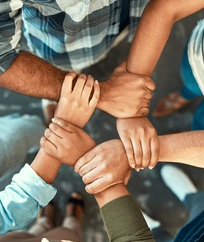
Practical Ways to Practice Compassion Every Day
--Listen deeply. Listen not to reply, but to understand.
Give people space to tell their story without judgment.
--See beyond anger. When someone lashes out, pause. Ask:
what pain might be behind this? What fear? What loss?
--Acknowledge suffering publicly and privately. Speak up
when you see injustice. Comfort a friend who’s hurting.
Don’t let silence hide pain.
--Refuse to dehumanize — even your enemies. In
conversations, in jokes, in thoughts. Remember: they are
human, just like you.
--Act with kindness, even when it costs you. Hold the
door. Offer a smile. Defend someone vulnerable. Give
forgiveness when it’s hard. Little steps. Small acts.
They ripple farther than we ever see.
In the
End...
We will
never erase conflict. We will never erase difference.
But we can choose not to erase each other.
Compassion is not naive. It is not weakness. It is the
greatest strength we have left. Even in the darkest
places, I have seen it spark. A word. A gesture. A hand
reaching out. The smallest act of compassion can turn
the tide. It can keep a heart from closing. It can save
a life. It can save a soul. And if enough of us choose
it, it can save the world.
[Source: Christoph von Toggenburg, Nov 2023]
On the Right
Side of History
Holding Hands
Little Girl Sings Imagine
Immigrants and Mountainish Inhumanity:
Ian McKellen Reciting Shakespeare
Lady Gaga: Beautiful Day in the
Neighborhood
True Colors by Cyndi
Lauper
Info: Diversity, Equality, Inclusion
Encourage Others
Trevor Noah: Comedy Diffuses Tension
Elon Musk: Genius Without Integrity
George W Bush on Immigration
Encourage Others
Are We Losing Our Shared Humanity?
TED Talk: Mattering
Love Sweet Love
Scene From A Man Called Otto
New Pledge of Allegiance

What Makes an
Honest Person?
How do you recognize an honest person?
--They are truthful: Honest people say what they believe
to be true and do not lie.
--They are trustworthy: To trust a person’s honesty, he or
she must be trustworthy. Honest people keep their
promises and do what they say they will do.
--They are fair: Honest people behave fairly and justly.
They respect the rights of others and avoid cheating.
--They respect themselves: Honest people respect
themselves and others. They are honest and open with
themselves and others.
--They are responsible: Honest people take responsibility
for the consequences of their actions. They acknowledge
their mistakes and try to make amends.
--They are empathetic: Honest people try to understand and
empathize with the feelings of others. They respect the
needs and different perspectives of others.
--They have good intentions: Honest people do not act with
malicious intent or to harm others. They act in good
faith and hope that others will act in good faith.
Of course,
the degree of sincerity varies from person to person,
and not everyone can be completely honest all the time.
However, people with the above qualities are usually
more honest than others.


Something Wrong in the Village
Love Has No Labels
People With True Integrity
Jay Shetty: Trust in a Relationship
Honesty: What Makes an Honest Person?
Around the World: Favorite Dance Moves
Imagine by Pentatonix
John Stweart on Daily Show: One Too Many
What the World Needs Now is Love Sweet Love
Harry Belafonte: Earth
Song
Everyday People
The War on Empathy is Dystopian and Delusional
Modern Love by Matt Nathanson
I Am a Work of Art
John Cena: Love and Patriotism
I Have a
Voice
Lean on Me: Playing for
Change
Bernie Sanders: Support Free Speech and Condemn Violence
Why is honesty important?
Honesty is extremely important for the quality of
interpersonal relationships and for maintaining trust in
society. Here are some reasons why being honest is
important:
--Trust and respect: You gain the trust and respect of
other people. People trust honest people more and build
closer relationships with them.
--Good communication: You communicate well by speaking
clearly. This avoids arguments between people and builds
healthier relationships.
--Reputation: You maintain your reputation and have a
respected position. In business, honest people are seen
as more trustworthy and are preferred by employers.
--Moral values: Honesty is the foundation of moral values.
People do the right thing when they act honestly and a
more moral structure is created in society.
--Responsibility: People take responsibility for what they
do. If they do something wrong, they stand by their
mistakes and try to solve problems.
--Positive influence: They have a positive impact on
others. Their honesty and integrity encourages others to
be honest and raises the general level of integrity in
society.
--Trustworthiness: You are seen as trustworthy. Therefore,
their words are believed and their suggestions are
trusted.
For all these reasons, honesty increases trust and
respect between people and contributes to a healthier
and more moral structure in society. Honesty is also
important in the business world because employers prefer
honest employees and honesty protects the reputation of
companies.
Honesty is also important in science, where the accuracy
and reliability of scientific data is crucial to
scientific progress. Honesty is therefore an important
value for individuals and societies, and people should
make honesty a part of their lives.


I Have a
Voice
True Colors by Cyndi
Lauper
Sen Elissa Slotkin: Don't Tune Out
Info: Celebrating Diversity
People With True Integrity
TED Talk: Mattering
Peace Train: Playing for Change
People With True Integrity Use These Phrases
How To Tell Whether You Are Living In Integrity Or Not
Love Sweet Love
Are We Losing Our Shared Humanity?
United: Playing for Change
People
React to Being Called Beautiful
Happy People Dancing Around the World
2006
How do you become an honest person?
--Be open and honest with yourself: To become an honest
person, you must first be honest with yourself. Evaluate
your own thoughts and behavior honestly and admit your
mistakes. Being honest with yourself will help you to be
honest with others.
--Avoid lying: To be an honest person, it is necessary to
avoid lying. Sometimes lying seems like an easy
solution, but in the long run it can lead to loss of
trust and growing problems. Instead of lying, be honest
and tell the truth.
--Keep your promises: Part of being an honest person is
keeping your promises. If you promise something to
someone, keep your word and try to do what you have
promised. Don’t make promises you don’t think you can
keep, or if you can’t be realistic about what you can
promise.
--Show respect for others: An honest person shows respect
to others. By respecting the opinions and feelings of
others, you can build healthy and honest relationships
with them.
--Take responsibility: Being an honest person means taking
responsibility for the consequences of your actions.
Admit your mistakes and try to solve problems. Taking
responsibility makes you honest and trustworthy.
--Show empathy: An honest person respects other people’s
feelings and needs. Empathy helps you understand others’
perspectives and enables you to build healthier
relationships.
Honesty as a lifestyle
Being an honest person should be
a way of behaving. Honesty is important not only in
relationships with other people, but also in business,
friendships and family life. When honesty becomes a way
of life, it is easier to do the right thing and avoid
doing the wrong thing.
Being an honest person requires constant effort, and
from time to time you will encounter difficulties.
However, honesty strengthens trust and respect between
people, helps to build a healthier and more moral
society and is important for personal development.

Proud to Be a Liberal
Steve Hofstetter: Left vs Right
Little Girl Sings Imagine
America: Not the Greatest Country in the World
Encourage Others
Proud to Be a Liberal
The War on Empathy is Dystopian and Delusional
It Takes a Lot of Courage to Be Your True Self
Teach Me to Dance
I Am Divine
Something Wrong in the Village
Love Has No Labels
James Talarico: Love of Neighbor
How To Tell Whether You Are Living In Integrity Or Not
Honesty: What Makes an Honest Person?
Dear Evan Hanson: You Will Be
Found
Truly Brave: Sara Bareilles and Cyndi Lauper
Global Dancing: Favorite Dance Moves
How can I identify a dishonest person?
Identifying dishonest people can sometimes be difficult,
but if you are observant you can spot some signs. Here
are some signs to help you spot dishonest people:
--Lying: They tend to lie. They may even tell little lies.
If a person lies a lot, or if their stories are
contradictory, they are likely to be dishonest.
--Not taking responsibility: They act as if they are not
responsible for their actions. If they do something
wrong, they blame others or put the responsibility on
someone else.
--Unreliable behavior: They may behave in an unreliable
way. For example, they may not keep their promises.
--Manipulating others: They try to manipulate others. This
may be done by hiding the truth or misleading others
with false information or deception.
--Self-interest: They focus only on their own interests
and ignore the needs of others.
Inconsistent behavior: Their words and actions may be
contradictory. For example, they may not stand by what
they say or behave differently.
--Criticism: They may find it difficult to accept
criticism. They may take criticism personally and lie to
defend themselves.
These signs give clues as to who is dishonest, but they
are not always enough to make a definitive judgement.
Everyone has different personality traits and behaviors,
so it is important to always look for honesty and take
the time to get to know people.
The People will Be Free
The War on Empathy is Dystopian and Delusional
It Takes a Lot of Courage to Be Your True Self
Something Wrong in the Village
Love Has No Labels
Kissing Around the World
Warning From Gov JB Pritzker
Info: Defining Community
Train Passengers Sing Somewhere Over the
Rainbow
New Pledge of Allegiance
Bernie Sanders: Support Free Speech and Condemn Violence
Around the World: Favorite Dance Moves
Imagine by Pentatonix

Personality Traits That are
Common in Extremely Honest
People
Ever wondered how to spot
an extremely honest person?
Honesty is more than just a
virtue, it’s a personality trait
that defines a person.
Identifying an honest person can
be tricky in a world full of
lies and deception, but there
are certain personality traits
they often exhibit. Here is a
list of personality traits that
are common in extremely honest
people who values truth above
all else.
Integrity - Extremely honest
people have the utmost
integrity. Integrity is the
foundation upon which all other
honest traits are built and
perhaps the most defining trait
of an extremely honest person.
People with unwavering integrity
stand by their principles and
don’t compromise their honesty
for personal gain or
convenience. Having integrity
means being a person of their
words and aligning actions with
their values and truth, even
when faced with difficult
choices.


People With True Integrity
Proud to Be a Liberal
Jay Shetty: Trust in a Relationship
Little Girl Sings Imagine
America: Not the Greatest Country in the World
What the World Needs Now is Love Sweet Love
Harry Belafonte: Earth
Song
Train Passengers Sing Somewhere Over the
Rainbow
United: Playing for Change
People
React to Being Called Beautiful
Happy People Dancing Around the World
2006
Honesty: What Makes an Honest Person?
Dear Evan Hanson: You Will Be
Found
Truly Brave: Sara Bareilles and Cyndi Lauper
Sincerity - When it comes to
honesty, sincerity is probably
one of the first traits that
come to mind. Sincerity is the
bedrock of honesty. It’s a key
trait that separates honest
folks from those who may be more
manipulative or deceitful.
Sincere people mean what they
say, and they say what they
mean. They’re genuine,
straightforward, and devoid of
pretense. Their words align with
their deeds, and they don’t try
to hide anything. If you’ve ever
encountered someone who is truly
sincere, you’ll know it. Their
sincerity shines through, making
them a beacon of truth in a
world that can often be filled
with half-truths and deception.
Transparency - Transparency is
another common trait among
extremely honest people.
Extremely honest people don’t
have hidden agendas. They are
open and candid in their
thoughts, feelings, and
intentions. Honest people have a
genuine desire to communicate
openly with others, fostering
trust and authentic connections.
They never shy away from
difficult discussions or
uncomfortable truths. Being
transparent also means that
extremely honest people are
uncomfortable with lies. Honest
people can’t simply turn a blind
eye to deception, be it white
lies, false statements or grand
manipulations. It’s a
deep-seated unease that can
trigger feelings of anxiety,
frustration, or even anger. They
often feel the need to call it
out, to rectify the situation,
and to bring truth to light.


Honesty: What Makes an Honest Person?
I Have a
Voice
People With True Integrity Use These Phrases
Global Dancing: Favorite Dance Moves
Facts vs Fantasy
Steve Hofstetter: Left vs Right
How To Tell Whether You Are Living In Integrity Or Not
Trevor Noah: Comedy Diffuses Tension
Have You Heard the News Today
True Colors by Cyndi
Lauper
Current Situation is Scary
Worth the Struggle
Kissing Around the World
Warning From Gov JB Pritzker
Encourage Others
Train Passengers Sing Somewhere Over the
Rainbow
Peace Train: Playing for Change
Honoring Difference: You Are a Masterpiece
Uncle Sam: Message to Trump & Hegseth
Consistency - Consistency is a
hallmark of extremely honest
individuals. Honest folks
possess a steady demeanor and
stick to their strong values and
moral codes, regardless of the
situation or who they’re dealing
with. They do not waver in their
commitment to truth. Their words
and actions consistently align
with their values and principles
over time, even when no one is
watching. Consistency builds
trust. Extremely honest
individuals are seen as
trustworthy because they
consistently convey their true
selves, which fosters trust in
their relationships. This
consistency reinforces their
reputation for honesty.
Directness - Being candid and
direct is another common trait
among extremely honest people.
They don’t beat around the bush
or use ambiguous phrases to
express their thoughts. When an
honest person has something to
say, they say it clearly and
straightforwardly. They don’t
sugarcoat the truth or use
confusing language to mask their
real intentions. Their
directness, or frankness, might
occasionally come off as harsh,
especially in situations where
tact and diplomacy are valued
more than the hard truth. But
honest folks believe in
delivering the truth as it is,
rather than wrapping it in a
shroud of confusion. This way,
there’s no room for
misunderstandings or false
interpretations. Extremely
honest people choose to speak
the truth even if it makes them
unpopular. This bluntness can
sometimes create frictions with
those who prefer a softer
approach to communication.
Honest people know that
sometimes the truth may not be
what others want to hear, but
it’s still crucial to face it
head-on. Their directness is a
testament to this belief.


Honesty: What Makes an Honest Person?
I Hope You Make It
Sen Elissa Slotkin: Don't Tune Out
Happy People Dancing
Around the World
Is America a Christian Nation?
Your Welfare Ain't on the Rich Man's Mind
Robert Arnold: The Silence of Generals
I'm Tired of...
People With True Integrity Use These Phrases
Danielle Kramer: Stochastic Terrorism
Bill Maher: Who Are These Crazed Shooters?
Everybody Wants to Be Loved by Ingrid Michaelson
I Am a Work of Art
Honoring Difference: You Are a Masterpiece
Accountability - Honest people
are accountable for their
actions. They take
responsibility when things go
wrong, rather than shifting the
blame onto others. If they mess
up, they admit it. They don’t
concoct stories or excuses to
cover up their errors.
Accountability takes courage. It
requires the person to confront
their flaws and shortcomings.
But honest people are willing to
do this because they believe
it’s the right thing to do. By
taking responsibility for their
actions, honest people
demonstrate that they value
truth over their ego or pride,
further emphasizing their
commitment to honesty.
Accountability is essential in
maintaining trust and
credibility. It’s no surprise
that honest people are often the
most trustworthy ones. Their
reliability is second to none
because they hold themselves
accountable for their actions.
Authenticity - Honesty is deeply
rooted in authenticity.
Authenticity involves being true
to oneself and genuinely
expressing one’s thoughts,
feelings, and intentions.
Extremely honest people are
genuine and real in their
emotions and intentions, and it
shines through in their
interactions. Extremely honest
people prioritize genuine
expression and do not put on
masks or pretend to be someone
they are not. They are true to
their individuality and
uniqueness. Authenticity often
requires vulnerability—being
open and honest about one’s
insecurities and imperfections.
Extremely honest people are
willing to be vulnerable,
fostering deeper connections
with others. With them, what you
see is what you get.
Little Girl Sings Imagine
How To Tell Whether You Are Living In Integrity Or Not
Bernie Sanders: Support Free Speech and Condemn Violence
Around the World: Favorite Dance Moves
Imagine by Pentatonix
Encourage Others
What the World Needs Now is Love Sweet Love
Harry Belafonte: Earth
Song
Train Passengers Sing Somewhere Over the
Rainbow
United: Playing for Change
Jay Shetty: Trust in a Relationship
People With True Integrity
People
React to Being Called Beautiful
Happy People Dancing Around the World
2006
Humility - Honest people possess
a sense of humility. They don’t
feel the need to boast about
their accomplishments or inflate
their abilities. Instead, they
let their actions speak for
themselves. Humility supports
honesty. It keeps them grounded
and reminds them of their
imperfections, which in turn,
fosters an environment for
honesty to thrive. An honest
person understands this and
embraces humility as a key
component of their character.
Courage - It takes courage to be
honest, especially in situations
where the truth may be
uncomfortable or unpopular.
Extremely honest people have the
courage to speak their minds and
stand by their convictions, even
when facing potential criticism
or backlash. They have the
courage to be disliked for their
willingness to speak truth and
have uncomfortable
conversations. Honest folks
stand up for what they believe
in, even if it’s unpopular or
inconvenient. They would rather
face the consequences of being
truthful than enjoy the
temporary comfort of a lie.
Clarity - Extremely honest
individuals have a knack for
clear and straightforward
communication. They value
clarity and precision in their
language, avoiding ambiguity or
misleading statements. They
believe in saying what they mean
and meaning what they say. This
might make their language seem
blunt or too direct at times,
but the intention is always to
ensure that the truth is not
obscured by unnecessary
complexities.
Reflection: honesty as a
way of life
Honesty is
more than just a virtue; it’s a lifestyle, a lens
through which to view and interact with the world.
You've heard the phrase, “Honesty is the best policy.”
But it’s not always easy to be an extremely honest
person when it’s much more comfortable and convenient to
succumb to lies. Being extremely honest and
straightforward might also make them the most unpopular.
Nevertheless, extremely honest individuals choose to
live a life of utmost integrity and not to change their
nature. They continue to value truth above all else,
standing up for their values and principles even when
it’s difficult. If you ever come across these extremely
honest individuals, cherish them as they are truly the
rarest breeds, the gems in a world where the lines
between truth and falsehood often get blurred.
John Stweart on Daily Show: One Too Many
John Cena: Love and Patriotism
America: Not the Greatest Country in the World
Dear Evan Hanson: You Will Be
Found
Steve
Hofstetter: Left vs Right
Truly Brave: Sara Bareilles and Cyndi Lauper
Global Dancing: Favorite Dance Moves
Kissing Around the World
Sara Bareilles & Carole
King: Beautiful/Brave Mashup
Danielle Kramer: Stochastic Terrorism
Facts vs Fantasy

Aspects of
Compassion
Compassion
is the feeling of deep concern and sympathy for
another's suffering, coupled with a strong desire to
help them. It's an active emotion, distinguished from
empathy by the accompanying urge to take action to
alleviate the suffering. The word itself originates from
Latin, meaning "to suffer together".
Key aspects of compassion:
--Empathy plus action: While empathy is understanding
another's feelings, compassion takes it a step further
by prompting a desire to act and help.
--Desire to alleviate suffering: A central component of
compassion is the motivational drive to reduce the pain,
sorrow, or misfortune of others.
--Sensitivity to suffering: Compassion involves being
sensitive to the emotional aspects of another person's
pain.
--Universal application: You can feel compassion for
people you know, as well as strangers.
--Part of human nature: For most people, compassion
comes naturally, although it can also be nurtured and
developed.
How
compassion differs from related terms:
--Empathy:
Feeling what another person is feeling.
--Sympathy: A feeling of pity or sorrow for someone
else's misfortune, but not necessarily with a desire to
act.
--Altruism: Disinterested or selfless concern for the
well-being of others, often involving actions to help.
What is Compassion?
How to Have Compassion for Others No Matter What They Do
Compassionate Communication
TED Talk: The Selfish Goal of Compassion
Compassionate Leadership

Final Thoughts
"All young people, regardless of sexual orientation or
identity, deserve a safe and supportive environment in
which to achieve their full potential."
-Harvey Milk
"It is
better to live your own destiny imperfectly than to live
an imitation of somebody else’s life with perfection.”
-Bhagavad
Gita
“Discovering the truth about ourselves is a lifetime’s
work, but it’s worth the effort.”
-Fred
Rogers
“You may encounter many defeats, but you must not be
defeated. In fact, it may be necessary to encounter the
defeats, so you can know who you are, what you can rise
from, how you can still come out of it.”
-Maya
Angelou
"I like
you as you are. Exactly and precisely. I think you
turned out nicely. And I like you as you are."
-Fred Rogers
"Freedom means nothing, unless it means the freedom to
be different."
-Marty
Rubin
"If you are not personally free to be yourself in that
most important of all human activities - the expression
of love - then life itself loses its meaning."
-Harvey Milk
"When all Americans are treated as equal, no matter who
they are or whom they love, we are all more free.”"
-US
President Barack Obama
"We need, in every community, a group of angelic
troublemakers. When an individual is protesting
society's refusal to acknowledge his dignity as a human
being, his very act of protest confers dignity on him."
-Bayard Rustin
Get Up! Stand Up!
Lady Gaga: Beautiful Day in the
Neighborhood
Little Girl Sings Imagine
Jay Shetty: Trust in a Relationship
Encourage Others
Bernie Sanders: Support Free Speech and Condemn Violence
Steve Hofstetter: Left vs Right
Everyday People
Around the World: Favorite Dance Moves
Imagine by Pentatonix
What the World Needs Now is Love Sweet Love
Harry Belafonte: Earth
Song
Train Passengers Sing Somewhere Over the
Rainbow
United: Playing for Change
People
React to Being Called Beautiful
Happy People Dancing Around the World
2006

HOME
QUEER CAFE
│ LGBTQ Information Network │ Established 2017 |